
Your home’s electrical panel is the central hub of everything that runs on power in your property. Every light you switch on, every appliance you plug in, and every device you charge draws power through that panel. When it is working properly you never think about it. When it starts to fail the signs can be easy to miss until the problem becomes serious.
For homeowners in St. John, New Brunswick, understanding when your panel needs attention is one of the most important things you can do to protect your home, your family, and your property value. In this post the team at A-OK Electric walks you through what your electrical panel does, the warning signs that something is wrong, and what the process of addressing it looks like.
What Does an Electrical Panel Actually Do
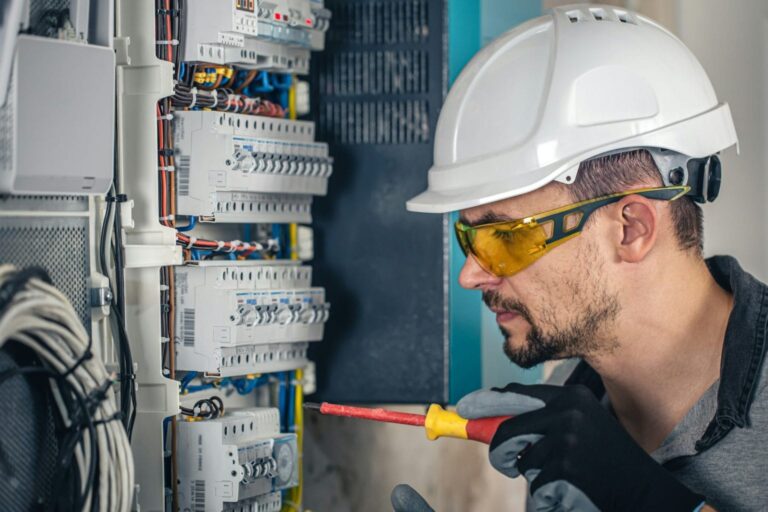
Your electrical panel, sometimes called a breaker box or distribution board, receives power from the utility supply and distributes it across the individual circuits throughout your home. Each circuit has its own breaker, which is a switch that automatically trips and cuts power to that circuit if the electrical load exceeds what the wiring can safely handle.
This protection mechanism is what prevents overloaded wiring from overheating and causing a fire. A well-functioning panel means each circuit in your home is properly sized for its load, breakers trip when they should, and the overall system can handle your home’s power demands safely and reliably.
When a panel starts to age, corrode, or simply cannot keep up with the demands of a modern home, that protection becomes unreliable. That is when problems start.
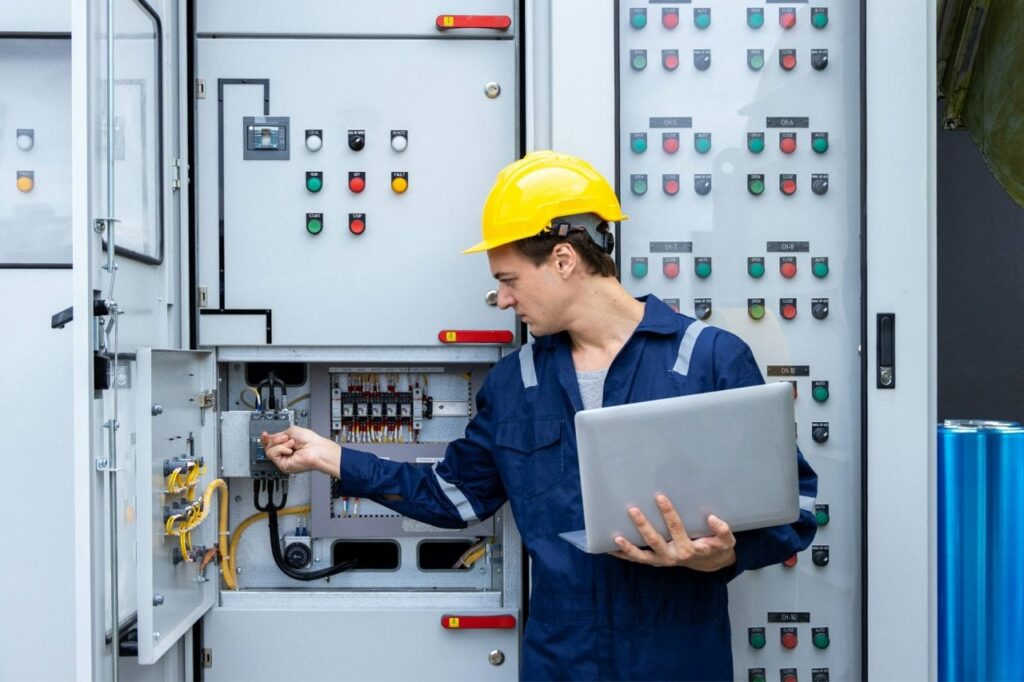
Warning Signs Your Panel Needs Attention
Breakers that trip frequently
An occasional tripped breaker is normal. Breakers that trip regularly on the same circuit are telling you that circuit is consistently overloaded. This could mean the circuit is undersized for what is plugged into it, or it could indicate a fault in the wiring or the breaker itself. Either way it needs a professional assessment.
Breakers that will not reset or stay reset
If a breaker trips and will not reset, or resets but trips again immediately, do not keep forcing it. This is a sign of a genuine electrical fault that needs to be diagnosed by a licensed electrician before the circuit is used again.
Flickering or dimming lights
Lights that flicker when an appliance starts up, or dim noticeably when the washing machine kicks in, are a sign that your panel is struggling to manage the load being placed on it. This is particularly common in older St. John homes where the original panel was sized for far fewer appliances than a modern household uses.
A burning smell near the panel
Any burning smell coming from your electrical panel is a serious warning sign that should be acted on immediately. Do not ignore it or assume it will pass. Turn off the main breaker and call a licensed electrician right away.
The panel is warm to the touch
Your electrical panel should never feel hot or even noticeably warm on the outside. Heat is a sign of resistance in the connections, which means something is not making proper contact and is generating heat instead of conducting electricity cleanly. This is a fire hazard.
What Happens When You Call A-OK Electric
If any of the warning signs above sound familiar the first step is a professional assessment. Here is what that process looks like with the A-OK Electric team.
Step 1: Free quote and initial assessment
Contact A-OK Electric by phone or through our online quote form. We will follow up to arrange a visit to your St. John property at a time that suits you. There is no charge for the initial assessment and no obligation to proceed.
Step 2: Panel inspection and load assessment
One of our licensed electricians will inspect your current panel, assess the condition of the breakers and connections, and evaluate whether your panel has the capacity to safely handle your home’s current and anticipated electrical load.
Step 3: Clear written recommendation
We will walk you through our findings in plain language and provide a clear written recommendation. If your panel needs to be upgraded or replaced we will explain exactly why, what the work involves, and what it will cost. No jargon and no pressure.
Step 4: Scheduled installation
If you choose to proceed we will schedule the panel upgrade at a time that works for you. Most residential panel upgrades are completed in a single day. We handle all required permits, complete the work to New Brunswick electrical code, and arrange for the necessary inspection sign-off.
Step 5: Clean site and full walkthrough
When the work is done we leave your property clean, walk you through the new panel, and make sure you understand how it works before we leave. You will have full documentation of the work completed for your records.
How Much Does a Panel Upgrade Cost in St. John
Panel upgrade costs vary depending on the size of the upgrade, the condition of the existing wiring, and whether any additional work is required to bring the installation up to code. The best way to get an accurate number for your specific property is to request a free quote.
What we can tell you is that the cost of a panel upgrade is almost always significantly less than the cost of the damage an aging or failing panel can cause. Electrical fires, appliance damage, and failed insurance claims are all far more expensive than addressing the problem proactively.
Your electrical panel works quietly in the background every single day. When it starts to show warning signs it is worth taking them seriously. For St. John homeowners the good news is that A-OK Electric makes the process straightforward, from the initial assessment through to a fully permitted and inspected installation.
If anything in this post sounds familiar or you have questions about your home’s electrical system, reach out to the A-OK Electric team today. We are happy to talk through your situation and help you figure out the right next step.
Ready to book an assessment? Call 506-651-7579 or fill out our free quote form and we will be in touch as soon as possible.